
The Air Steals Your Moisture
Cold air holds less humidity than warm air. When temperatures drop, the air becomes drier and starts pulling moisture out of your skin. That tight, itchy feeling after being outside is your barrier asking for help.
Indoor Heating Makes It Worse
Central heating warms your home but dries out the air even more. Going from icy air to overheated rooms creates a constant cycle of moisture loss and barrier disruption.
Hot Showers Feel Great but Hurt Your Barrier
Long, hot showers strip the natural oils that protect your skin. Winter skin is already fragile, so this makes dryness and flakiness much worse.
Your Skin Barrier Gets Stressed
The barrier becomes weaker in colder weather. Cracks in the barrier allow water to escape faster, which leads to dehydration and irritation.
Your Oil Production Slows Down
Sebum production naturally drops in winter. Even if you are normally oily, cold weather can leave your skin feeling tight and unbalanced.
How to Fix Winter Dryness Fast
Switch to Richer Hydration
Use moisturisers with ingredients such as shea butter, ceramides, hyaluronic acid, or squalane. These lock in moisture and support the skin barrier.
Our Erase and Rewind Moisturiser and Squalane Serum are perfect for winter dehydration because they replenish the lipids your skin loses in the cold.
Exfoliate Gently
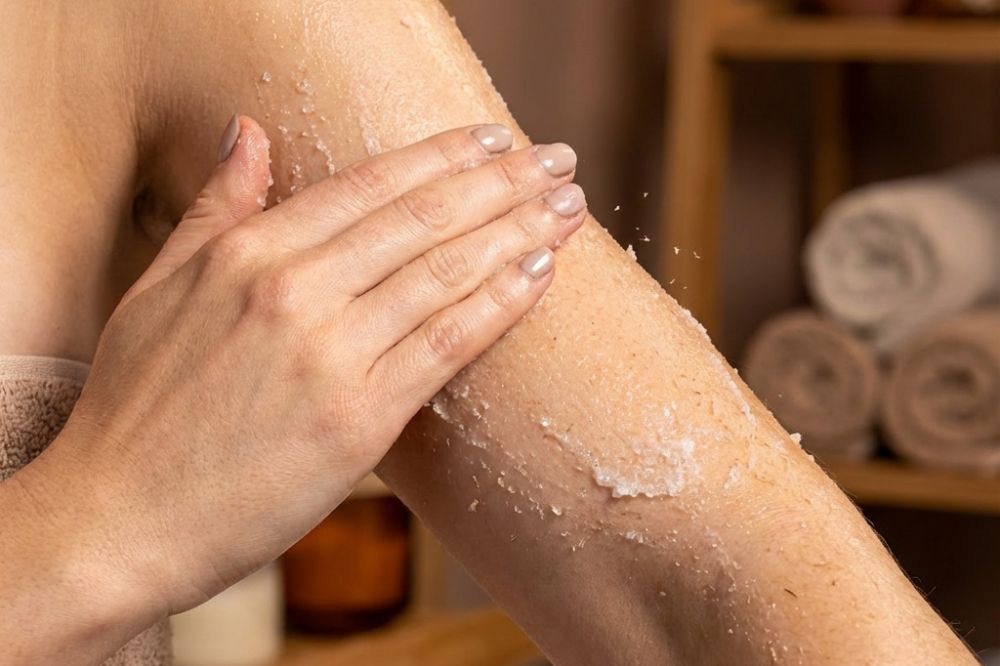
Dry skin builds up fast. Gentle exfoliation helps serums and moisturisers sink in properly. If your skin feels dull or patchy, use a mild scrub or a dermaplaning tool to remove dead skin cells.
Protect Your Skin Barrier
Look for products that soothe and repair. Hyaluronic serum draws moisture in, and squalane seals it in without heaviness.
Layering both is ideal in winter.
Reduce Hot Shower Time
Warm is fine. Too hot strips your natural oils. Shorter showers save your skin and reduce moisture loss.
Use Body Products That Hydrate Deeply
Winter dryness affects more than just your face. Arms, legs, and hands all need extra care.
Body Butter and Body Oil together give deep, lasting hydration and prevent flaking.
Add Humidity Back Into Your Home
A humidifier keeps the air moist and stops your skin drying out while you sleep. Even placing bowls of water near radiators helps add moisture back into the room.
Protect Your Skin Outside
Wear gloves and scarves to shield your skin from cold air and wind burn. Exposure is one of the fastest ways to lose moisture.
When to Worry About Winter Dryness
If your skin becomes cracked, painfully tight, or inflamed, it might be more than seasonal dryness. In that case, you may need a calming routine or medical advice.
Most people, though, can dramatically improve winter dryness with the right products and consistent hydration.