





The beauty industry has a plastic problem.
Billions of units of beauty packaging are produced every year. The majority is plastic. A significant proportion of that is single-use. And a large part of it ends up in landfill or in the ocean.
The good news is that some of the biggest contributors to that problem are also some of the easiest to fix. Your razor is one of them.
The Quick Answer
- The beauty industry is one of the largest producers of plastic waste globally
- Disposable razors are among the worst offenders, sending handle and blades to landfill after just a few uses
- Switching to a reusable razor with replaceable blade heads is one of the most impactful single swaps you can make
- FFS razors use a long-lasting metal handle, recyclable blade refills, plastic-free packaging, and a blade return scheme that ensures used blades are recycled properly
How Bad Is the Beauty Industry's Plastic Problem?
To understand the scale, it helps to look at the numbers.
The global beauty and personal care industry produces an estimated 120 billion units of packaging every year. The majority of this is plastic and a significant proportion is not recyclable through standard household systems. Razor cartridges, shampoo bottles, moisturiser tubes, and product packaging all contribute to a waste stream that the industry has been slow to address.
Disposable razors sit at the more damaging end of this spectrum. In the UK alone, an estimated 600 million disposable razors are thrown away every year. Each one contains a combination of plastic and metal that cannot be separated by standard recycling facilities, meaning virtually all of them go directly to landfill.
This is not a niche environmental concern. It is a large-scale, ongoing problem that the industry has the ability to reduce significantly through better product design.
Why Your Razor Is One of the Best Places to Start
Of all the plastic in your bathroom, your razor is one of the most straightforward to address.
The problem with disposable razors is structural. The entire product, plastic handle and metal blades together, gets thrown away after a small number of uses. There is no way to recycle it through household systems because of the mixed materials. And because disposable razors are used and discarded frequently throughout a lifetime of shaving, the cumulative waste from one person is significant.
The solution is a reusable system.
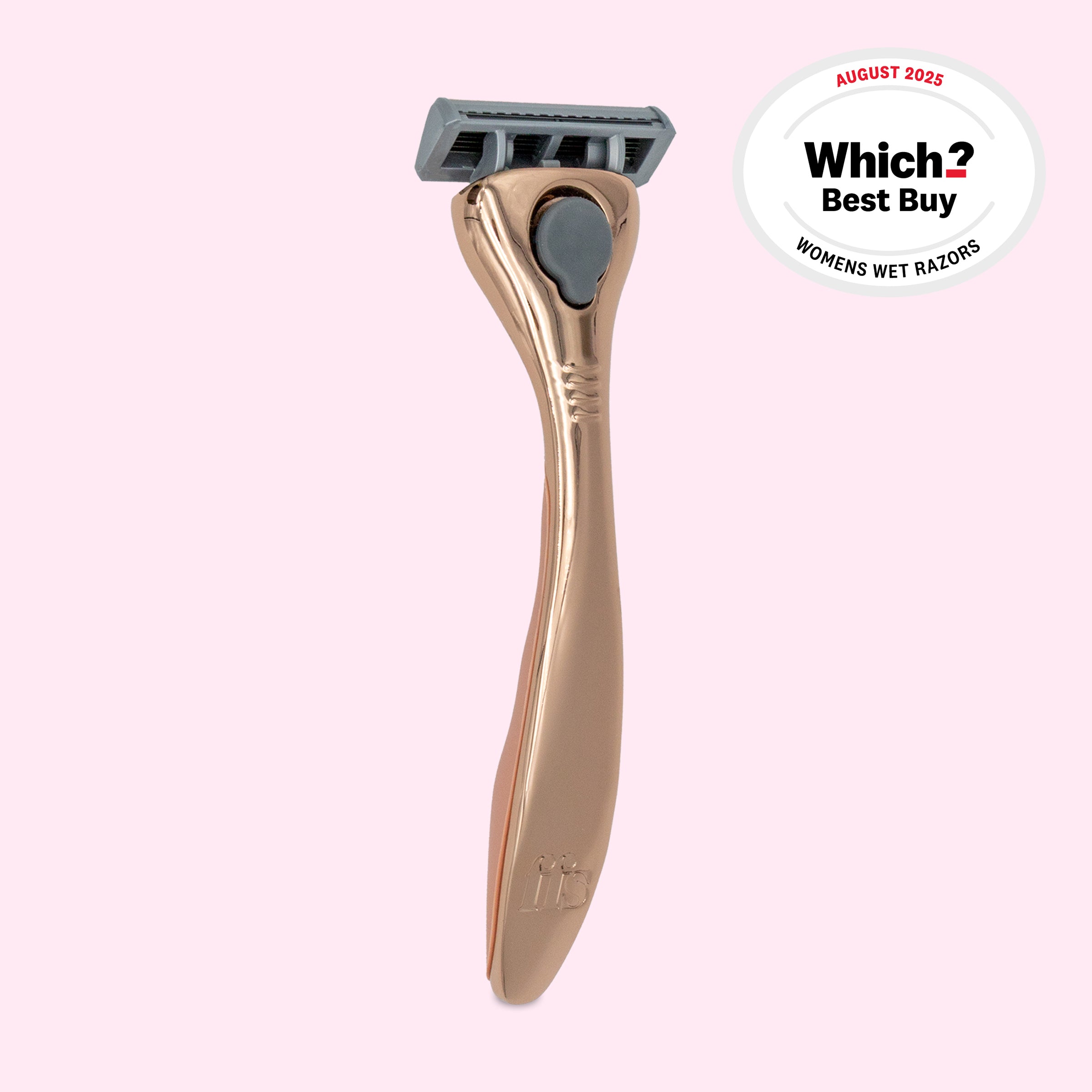
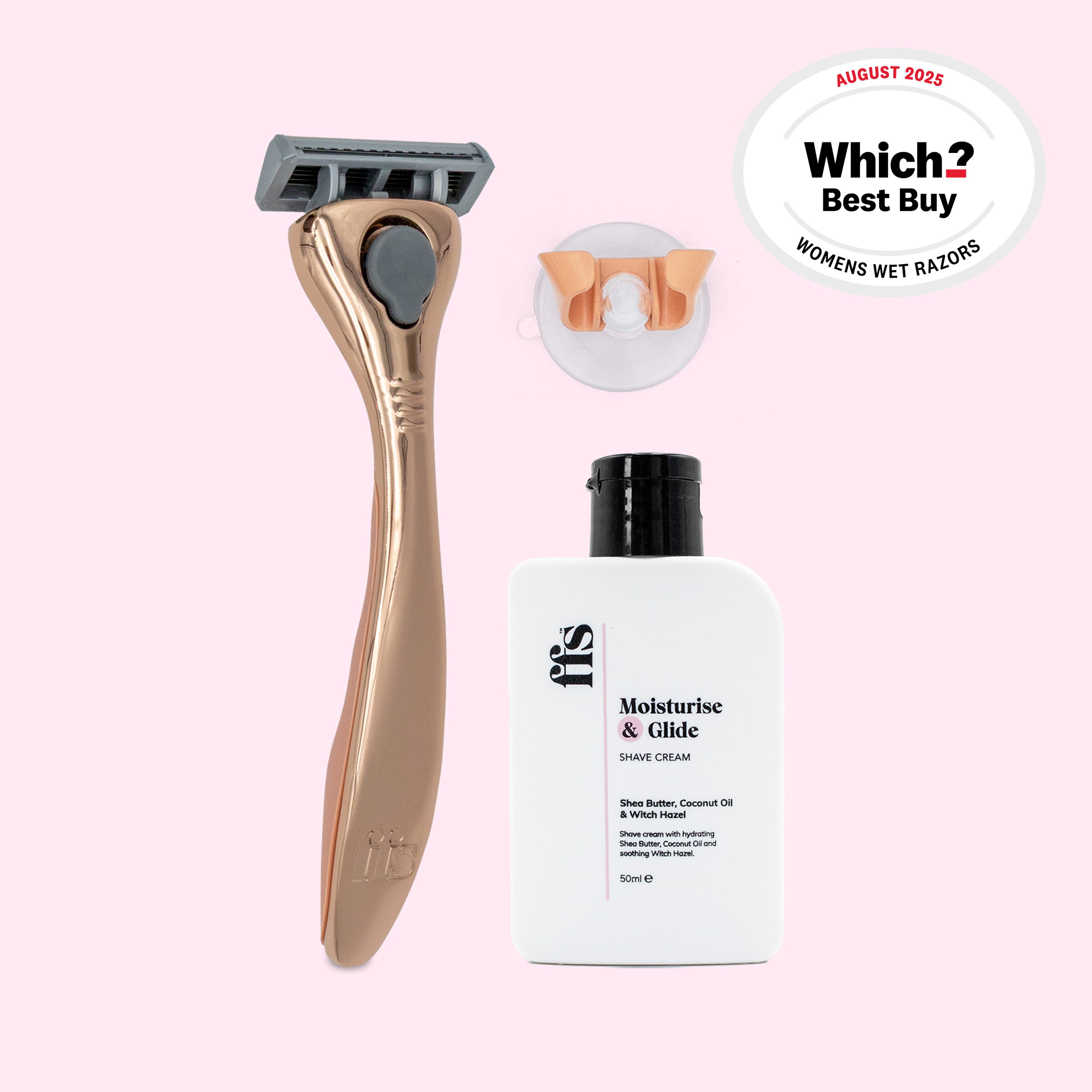
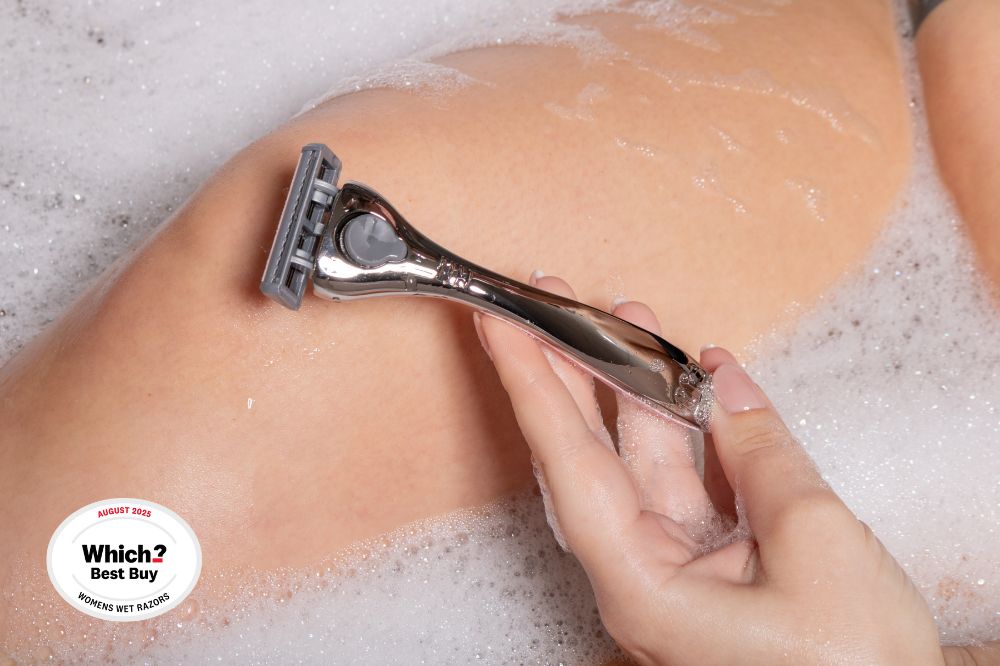
The FFS Razor Starter Kit uses a solid metal handle designed to last for years. Only the blade head gets replaced, and only when it needs to be. That means the plastic and metal waste from your shaving routine reduces dramatically compared to disposables.
The blade heads themselves are returned through the FFS blade recycling scheme. Used cartridges are sent back, processed to separate the metal and plastic components, and recycled properly rather than going to landfill.
Rated a Which? Best Buy for women's wet razors (August 2027), the FFS razor proves that sustainable does not mean compromising on performance. It beat big names including Venus, Gillette, and Estrid on quality.
Packaging That Does Not Cost the Planet
The product itself is only part of the picture. Packaging is where a significant amount of beauty plastic waste originates and where many brands still have the most room to improve.
FFS uses recyclable boxes, water-based inks, and a minimal waste approach to packaging design. The principle is straightforward: packaging should protect the product and nothing more. No unnecessary layers, no plastic film, no oversized boxes designed to look impressive on a shelf.
Small changes in packaging design add up to significant reductions in material use over time. When a brand ships hundreds of thousands of orders a year, the difference between plastic-heavy and plastic-minimal packaging is measurable in tonnes.
Made Closer to Home
Reducing plastic waste and reducing carbon emissions often go hand in hand.
FFS products are manufactured in the UK. That means shorter supply chains, less transport packaging, and lower emissions from freight compared to products manufactured overseas and shipped long distances.
It also means more accountability. Shorter supply chains are easier to audit and improve. When manufacturing happens closer to home, it is easier to maintain quality standards and to identify where further sustainability improvements can be made.
Small Swaps That Add Up
Reducing plastic waste in your beauty routine does not require overhauling everything at once. The most effective approach is making better choices one product at a time, starting with the ones you use and replace most frequently.
Your razor is used multiple times a week and the blades are replaced regularly throughout your life. That makes it one of the highest-impact swaps available.
Other practical switches in your bathroom:
- Swap plastic-bottled shampoo and conditioner for bars which use no plastic packaging
- Choose skincare products from brands that use glass, aluminium, or genuinely recyclable plastic
- Look for products with refillable formats rather than single-use packaging
- Return used razor blades through a scheme rather than putting them in general waste
None of these changes require significant effort. Together they represent a meaningful reduction in the plastic your bathroom routine generates every year.
Why Brand Choice Matters
Individual swaps matter. But brand choice matters more.
When customers consistently choose brands that have made genuine sustainability commitments over those that have not, it creates commercial pressure for the entire industry to improve. A single purchase decision does not change the beauty industry. Millions of them do.
FFS was built around the principle that you should not have to choose between quality and sustainability. A well-designed razor that lasts, recyclable packaging, UK manufacturing, and a blade return scheme are not compromises. They are what good product design looks like when sustainability is built in from the start rather than added on as an afterthought.
FAQs
How much plastic waste does the beauty industry produce? The global beauty and personal care industry produces an estimated 120 billion units of packaging every year, the majority of which is plastic. A significant proportion is not recyclable through standard household systems. Disposable razors alone account for hundreds of millions of units going to landfill in the UK every year.
Are disposable razors bad for the environment? Yes, significantly. Disposable razors combine plastic and metal in a single unit that cannot be separated by standard recycling facilities. The entire product goes to landfill after just a few uses. Over a lifetime of shaving, the cumulative waste from disposable razors from a single person is considerable. Switching to a reusable razor with replaceable heads is one of the most impactful swaps you can make in your bathroom routine.
Can razor blades be recycled? Not through standard household recycling. Razor cartridges contain mixed materials that recycling facilities cannot separate. The best option is a dedicated blade return scheme. FFS has a scheme where used blade heads are sent back, processed to separate the components, and recycled properly rather than going to landfill.
Is sustainable beauty more expensive? Not necessarily. A reusable razor with a refill plan is often more cost effective over time than repeatedly buying disposable razors. The upfront cost of a quality reusable handle is offset by the lower ongoing cost of replacement heads compared to full disposable products. FFS offers a refill plan that keeps fresh blades arriving at a consistent, manageable cost without a premium for sustainability.
What makes FFS more sustainable than other razor brands? Four things combined: a reusable metal handle that lasts for years rather than a disposable plastic one, recyclable blade heads rather than full product disposal, plastic-free recyclable packaging, and a blade return scheme that ensures used cartridges are recycled properly. UK manufacturing also means shorter supply chains and lower transport emissions compared to products manufactured overseas.
How do I make my beauty routine more sustainable? Start with the products you use most frequently and replace most often. Your razor is one of the highest-impact swaps because it is used multiple times a week throughout your life. Switch from disposables to a reusable system with a blade return scheme. From there, look at other high-turnover products like shampoo and conditioner and consider bar formats or refillable packaging. Small changes to frequently used products make a bigger cumulative difference than occasional large changes.