
Dermaplaning has gone from a professional salon treatment to something you can do properly at home in under ten minutes.
The result is smoother skin, no peach fuzz, better product absorption, and a noticeably more even base for makeup. Done correctly it is safe, effective, and genuinely worth adding to your routine.
Here is exactly how to do it.
What Is Dermaplaning?
Dermaplaning uses a small, precise blade to remove two things at once: the fine vellus hair on your face (commonly called peach fuzz) and the layer of dead skin cells sitting on the surface.
The blade is held at a 45 degree angle and moved across the skin in short, controlled strokes. It does not cut into the skin. It skims the surface, taking the hair and dead skin with it.
The result is immediately visible. Skin looks smoother, brighter, and more even. Skincare products absorb more effectively because there is no longer a layer of dead skin and hair blocking them. Makeup sits flatter and lasts longer.
It is not painful when done correctly. Most people describe it as feeling like a light scratching sensation at most.
The Quick Answer
To dermaplane safely at home:
- Start with a completely clean, dry face
- Hold the blade at a 45 degree angle with the skin pulled taut
- Use short, light strokes in a downward direction
- Work methodically across the face one section at a time
- Apply a serum or moisturiser immediately after
- Clean and store the blade properly after every use
- Replace the blade every 3 to 5 uses
What You Need
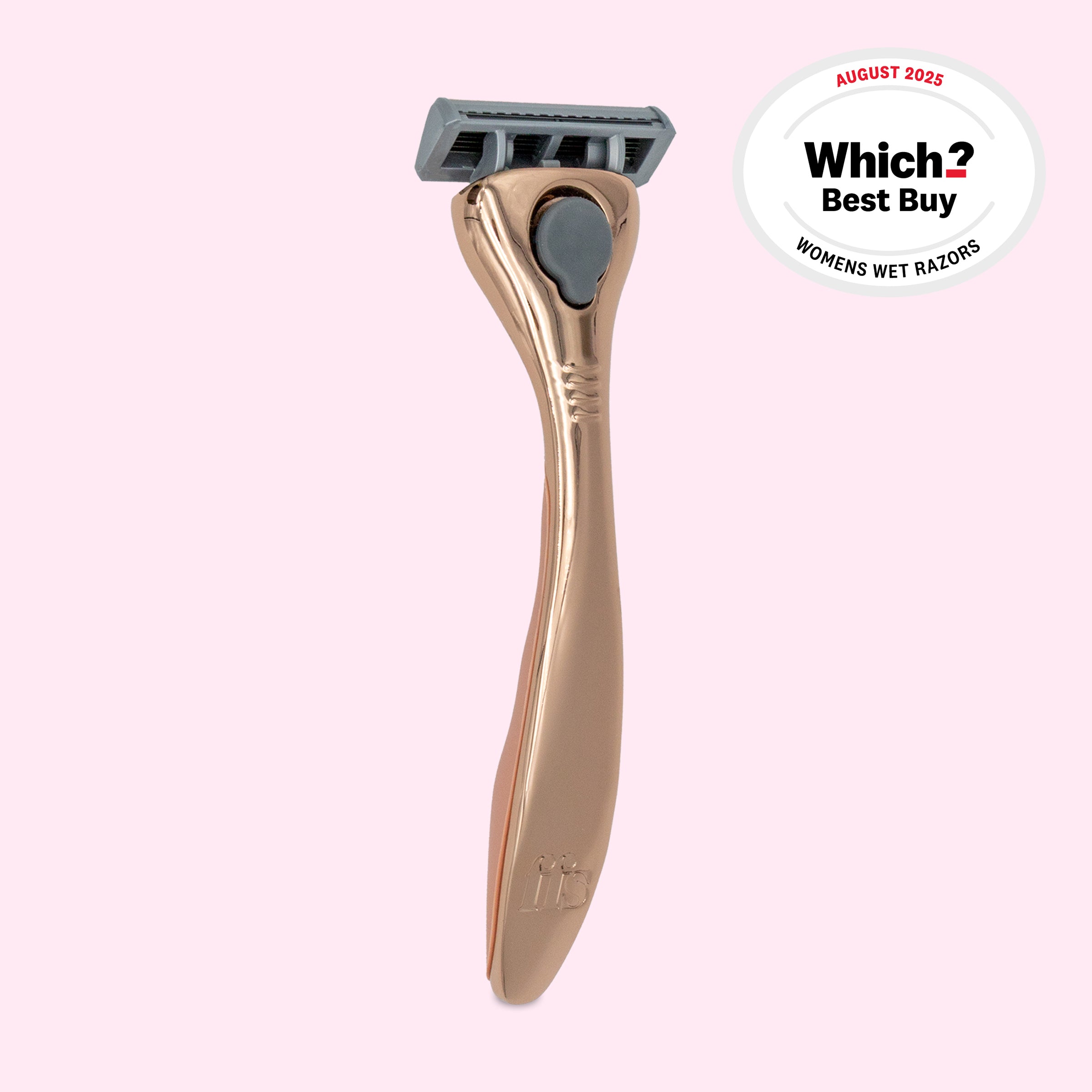
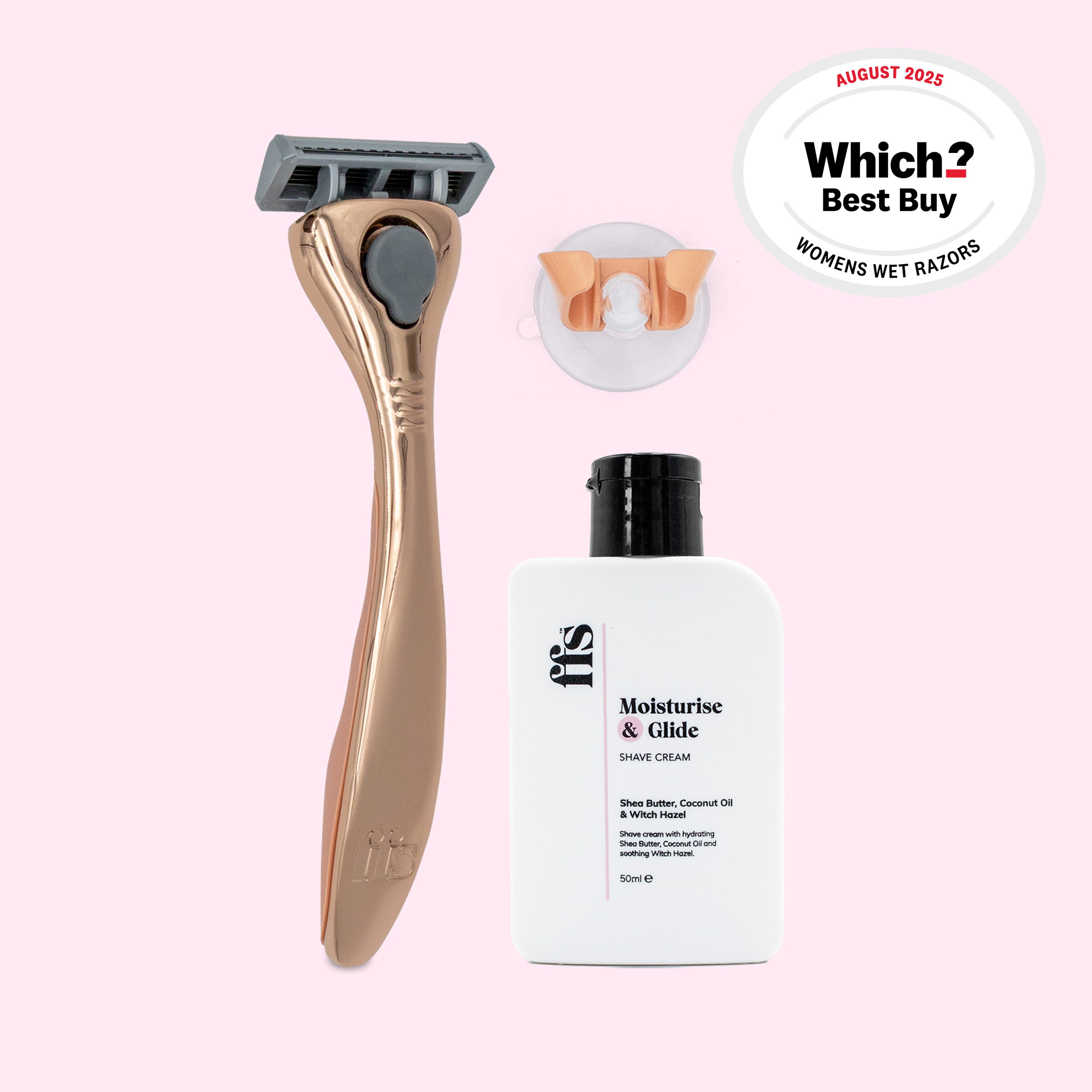
The FFS Dermaplaner and Stand Set includes everything required:
- A premium easy-grip handle designed for control and precision
- Stainless steel blades for effective but gentle exfoliation
- A matching stand that keeps the tool upright, clean, and ready to use between sessions
The stand is worth mentioning specifically. Leaving a dermaplaner lying flat in a drawer blunts the blade faster and allows bacteria to build up. The stand keeps it properly stored and extends the blade life.
Step 1: Cleanse Your Face Thoroughly
Always start with a completely clean face.
Remove all makeup, cleanse properly, and pat dry. Dermaplaning on skin that has any product, oil, or makeup residue on it reduces the effectiveness of the blade and increases the risk of spreading bacteria across the skin.
The skin should be completely dry before you start. Dermaplaning on damp skin makes it harder to control the blade and can cause nicks.
Step 2: Pull the Skin Taut
Use your free hand to gently pull the skin taut in the area you are working on.
Taut skin gives the blade a flat, even surface to work across. Loose or slack skin creates uneven resistance which makes it harder to control the blade and increases the risk of catching the skin.
Start with the cheek area where the skin is flattest and easiest to work with before moving to more contoured areas.
Step 3: Hold the Blade at 45 Degrees
The angle is everything in dermaplaning.
Hold the FFS Dermaplaner at a 45 degree angle to your skin. Not flat, which would reduce effectiveness. Not steep, which would increase the risk of cutting. Forty-five degrees is the sweet spot that allows the blade to skim the surface cleanly.
If you are unsure, practise the angle on the back of your hand before starting on your face.
Step 4: Use Short, Light Downward Strokes
Move the blade in short, controlled downward strokes. Always in one direction, never back and forth.
Going back and forth drags the blade across already-treated skin and significantly increases the risk of irritation. One direction, lift, reposition, one direction again.
Use light pressure. The blade should be doing the work. If you find yourself pressing harder, the blade likely needs replacing.
Work methodically across the face:
- Start at the cheeks and move outward
- Move to the forehead using upward strokes
- Work carefully around the chin and jawline
- Avoid the area directly around the eyes and any active spots or irritated skin
Step 5: Hydrate Immediately After
Dermaplaning leaves your skin temporarily more receptive to products. Use this to your advantage.
Apply a serum immediately after dermaplaning while the skin is freshly exfoliated and clear. The FFS Brighten & Hydrate Serum combines Vitamin C and hyaluronic acid. Vitamin C works on skin brightness and evening tone, hyaluronic acid draws moisture into the freshly exfoliated skin. Applied straight after dermaplaning, both absorb more effectively than they would over unexfoliated skin.
Follow with your usual moisturiser. Avoid anything with strong active acids like AHAs or retinol immediately after dermaplaning as freshly exfoliated skin is more sensitive.
Step 6: Clean and Store Your Dermaplaner
This step is as important as the technique itself.
After every use:
- Rinse the blade gently under warm running water to remove any skin and hair buildup
- Pat it dry with a clean towel
- Place it back on the stand upright to air dry fully
- Never store it damp in a drawer as this causes bacteria buildup and blunts the blade faster
Replace the blade every 3 to 5 uses. A blade that is past its best will not give you the same result and increases the risk of irritation on your skin.
How Often Should You Dermaplane?
Once a week is the right frequency for most people.
Dermaplaning more often than this does not improve results and risks over-exfoliating. Your skin needs time to complete its natural cell turnover cycle between sessions. Once a week gives you the benefits of regular exfoliation without disrupting the skin barrier.
If your skin feels sensitive or tight after dermaplaning, extend to once every two weeks until your skin adjusts.
What to Avoid After Dermaplaning
For 24 hours after dermaplaning:
- Avoid direct sun exposure. Freshly exfoliated skin is more susceptible to UV damage. Wear SPF if going outside.
- Avoid strong active ingredients like retinol, AHAs, and BHAs which can cause irritation on freshly treated skin
- Avoid heavy exercise that causes significant sweating as this can irritate the skin
- Avoid touching your face unnecessarily
Ready to Start?
The FFS Dermaplaner and Stand Set gives you everything you need for salon-quality results at home. Designed for precision, easy to use, and easy to maintain.
Shop the FFS Dermaplaner and Stand Set
FAQs
Does dermaplaning make facial hair grow back thicker?
No. This is the most common concern people have and it is not true. Dermaplaning removes vellus hair which is the fine, soft peach fuzz on your face. Vellus hair does not change its thickness, colour, or growth rate when cut. It grows back exactly as it was. This is the same principle as shaving not making leg hair thicker, which is also a myth.
Is dermaplaning safe for sensitive skin?
Yes, with some caution. Dermaplaning is a physical exfoliation method which some sensitive skin types handle better than chemical exfoliation. Use gentle pressure, work carefully, and avoid any areas of active irritation or breakouts. If your skin feels very reactive after the first session, extend the time between sessions to two weeks.
Can I dermaplane over spots or acne?
No. Never dermaplane over active spots, inflamed acne, or broken skin. The blade can spread bacteria from a spot across a wider area of the face and cause further breakouts. Work around any active spots and wait until the skin has fully cleared before treating those areas.
How long does dermaplaning last?
Results typically last 3 to 4 weeks before peach fuzz regrowth and dead skin buildup returns the skin to its previous texture. This is why a weekly routine gives consistently smooth skin rather than a single treatment that fades over time.
Can I wear makeup after dermaplaning?
Yes, and many people find this is one of the best times to apply makeup as it sits significantly smoother on freshly dermaplaned skin. Wait at least 30 minutes after dermaplaning and apply your serum and moisturiser first. If your skin feels any sensitivity, wait a few hours before applying makeup.
What is the difference between dermaplaning and shaving your face?
They are similar but not identical. Both remove vellus hair using a blade. Dermaplaning uses a specifically designed tool held at a precise angle to exfoliate the skin surface at the same time as removing hair. Face shaving is similar in principle but the tools are different and the focus is more on hair removal than simultaneous exfoliation. The FFS Dermaplaner is designed specifically for the dermaplaning technique and the dual purpose of hair removal and exfoliation.