
For years, buying a razor as a woman meant one thing alongside the purchase.
Paying more for it.
Same product. Similar blades. Nearly identical performance. Just a different colour handle, softer packaging, and a price tag that quietly assumed women would absorb the difference without question.
That is the pink tax. And in shaving, it has been hiding in plain sight for decades.
The Quick Answer
- The pink tax refers to women being charged more for products that are functionally identical or very similar to men's versions
- Razors are one of the most documented examples of this pricing gap
- Women's razors are often marketed with more elaborate packaging and softer language but do not always perform better
- FFS was built specifically to challenge this: premium quality, fair pricing, designed genuinely for women rather than repackaged and marked up
What Is the Pink Tax?
The pink tax is not an actual tax. It is a pricing pattern.
Products marketed to women, from razors and shaving cream to deodorant, clothing, and dry cleaning, have consistently been priced higher than equivalent products marketed to men. Studies have found the gap can be anywhere from 7 to 13 percent on average across product categories, with personal care products among the most affected.
In shaving specifically, the difference has been particularly visible. Walk into any supermarket or pharmacy and the women's razor section sits next to the men's. The products are often manufactured by the same companies, use similar blade technology, and perform comparable functions. But the women's version carries a higher price.
The justification given has often been product differentiation: different handle shapes, moisturising strips, marketing investment. But for a long time those differences did not always reflect a genuine improvement in the shaving experience for women.
Why Shaving Has Been a Particularly Quiet Conversation
The pink tax on razors existed partly because shaving itself was rarely discussed openly.
Skincare routines, makeup, self-care rituals: all openly talked about. Shaving? That stayed a bathroom-only conversation for a long time.
Most women learned to shave alone. No proper guidance, no honest conversation about technique or products, just trial and error and the occasional irritation that was dismissed as normal.
When a topic stays quiet, the commercial decisions around it go unquestioned. Pricing does not get scrutinised. Product design does not get challenged. The assumption that women will just accept what they are given goes unchallenged.
That is exactly the environment the pink tax thrives in.
What FFS Does Differently
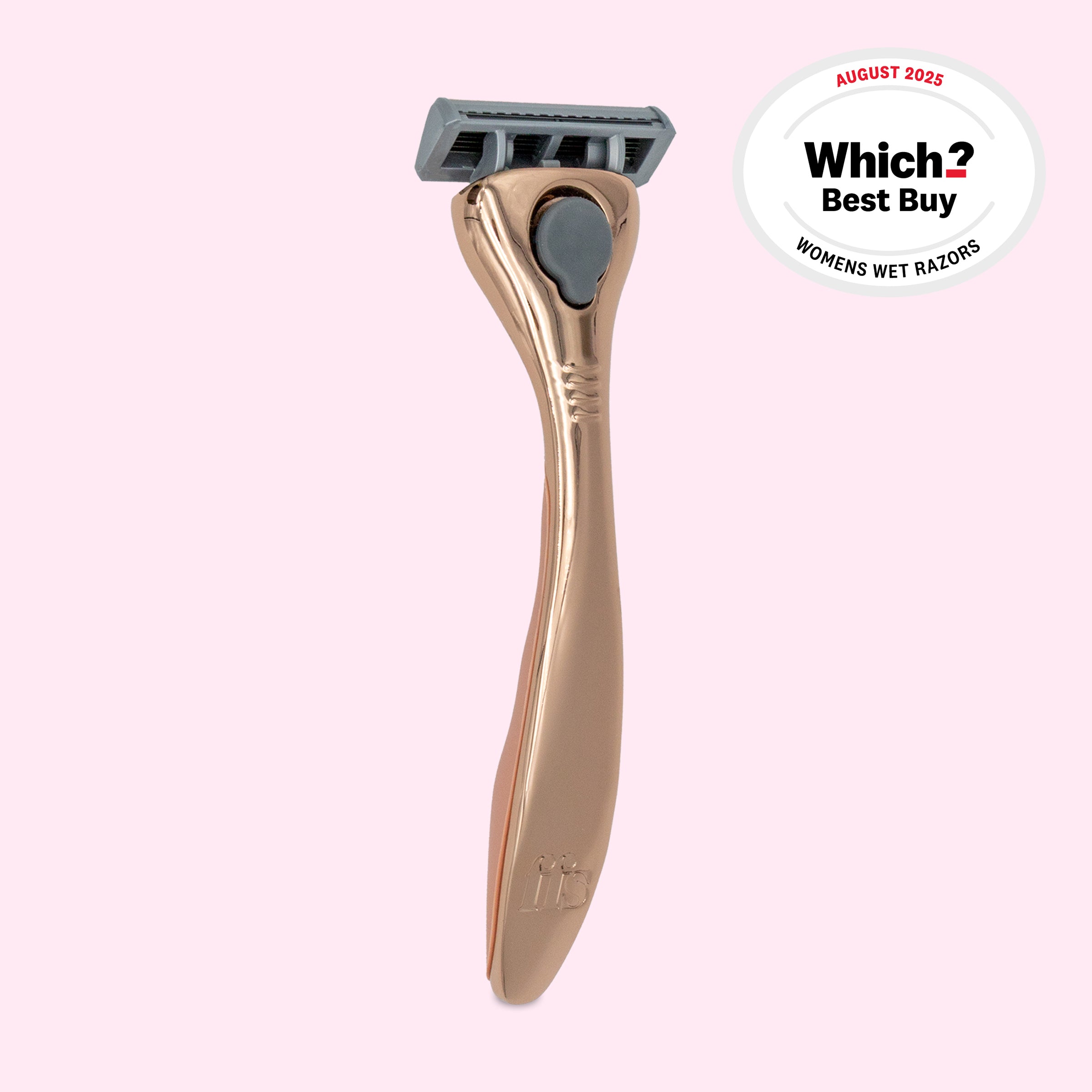
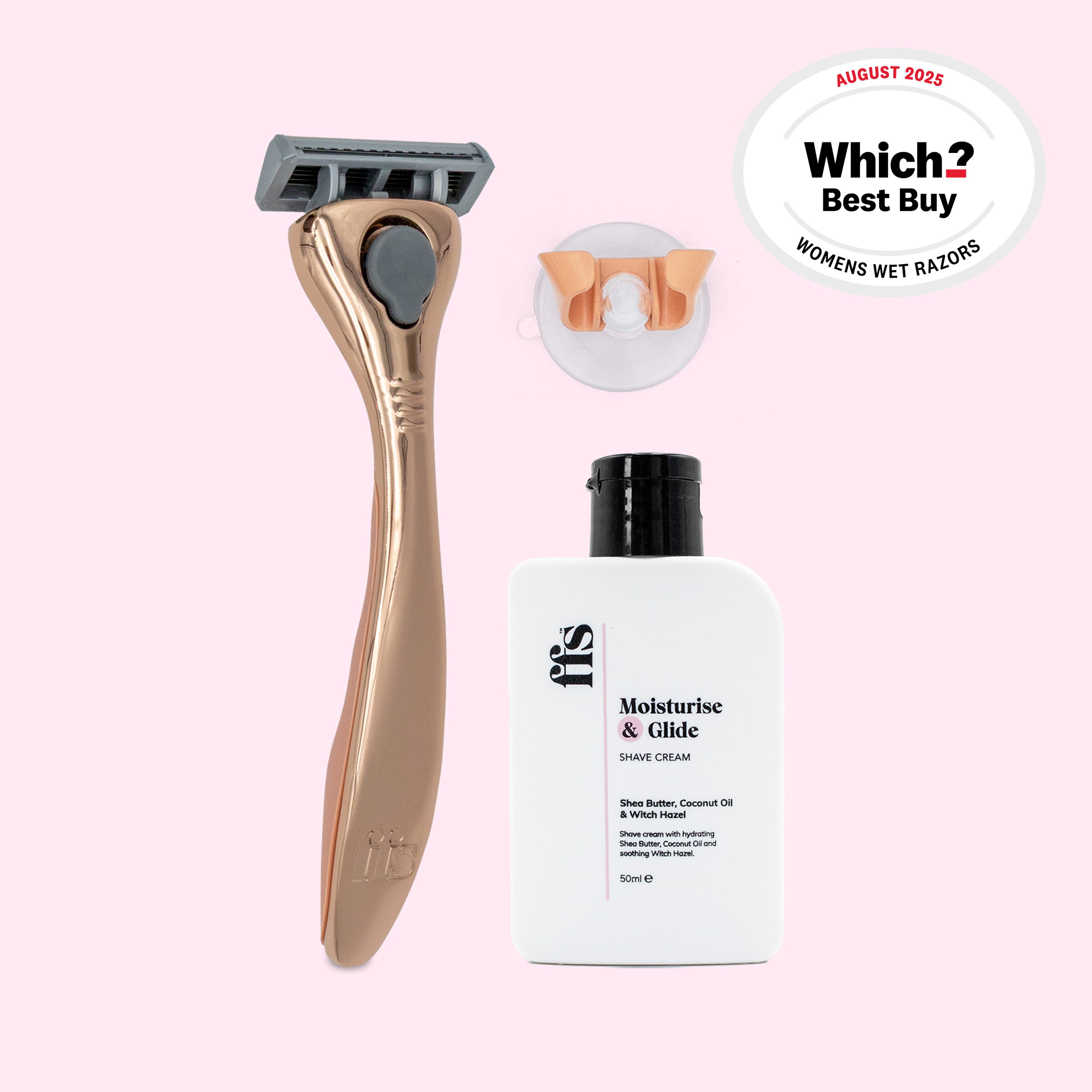
FFS was built on a straightforward belief: women deserve a razor that is genuinely designed for them, not a men's product in a pink handle at a higher price.
That means:
- Six precision blades engineered for the specific angles and contours of a woman's body, not adapted from a men's face razor
- A handle designed for grip and control in a wet shower rather than aesthetic packaging
- Pricing that reflects the quality of the product, not a gender premium
- A refill plan that makes fresh blades affordable and convenient without locking you into something you cannot control
The fuchsia handle is bold and unapologetic. It is not pink for the sake of it and it is not priced higher because of the colour. That is the point.
FFS is rated a Which? Best Buy for women's wet razors (August 2027). The recognition is based on performance, not packaging.
Why This Still Matters
The pink tax conversation has grown louder in recent years. Several countries have moved to remove it from essential products like period care. Awareness has increased. Some brands have responded.
But in beauty and personal care, the pricing gap persists in many areas.
Choosing products from brands that price fairly, design genuinely for women, and do not rely on packaging and marketing to justify a premium is one of the most practical ways to push back against it.
You should not pay more for a worse product just because it is aimed at you.
FAQs
What is the pink tax on razors? The pink tax refers to the pricing pattern where women's razors are sold at a higher price than men's razors that are functionally similar or identical. The difference is often attributed to product differentiation like handle design and marketing costs, but in many cases the performance gap between the men's and women's versions does not justify the price difference. It is one of the most visible examples of the pink tax in personal care.
Why are women's razors more expensive than men's? Officially, manufacturers cite differences in product design, blade configuration for different body areas, and marketing investment as justification. In practice, the pricing gap has often exceeded what those differences warrant. The result is that women have historically paid a premium simply for a product being marketed to them rather than for a genuinely superior shaving experience.
Is the pink tax legal in the UK? Yes. The pink tax is not an illegal practice in the UK. It is a market pricing pattern rather than a formal levy. While the UK removed VAT from period products in 2021, there is no legislation preventing companies from charging more for women's versions of comparable products. The most effective counter is consumer awareness and choosing brands that price fairly.
Does FFS charge a pink tax? No. FFS was specifically built to challenge the idea that women should pay more for a razor simply because it is marketed to them. The pricing reflects the quality of the product rather than a gender premium. The fuchsia handle costs the same as any other handle in the range.
Are women's razors actually different from men's razors? A good women's razor should be genuinely designed for a woman's body, not just repackaged. The angles, blade spacing, and handle ergonomics that work for shaving a face are different from those that work for shaving legs, the bikini line, and underarms. FFS razors are designed specifically for women's shaving needs rather than adapted from a men's product. That genuine design difference is what justifies a product existing, not just the colour of the handle.
How do I know if I am being overcharged for a women's razor? Compare the blade count, the materials, the performance, and the price against equivalent men's products from the same brand. If the women's version is significantly more expensive without a clear performance reason, you are likely paying a pink tax premium. The best alternative is a brand like FFS that is transparent about what you are paying for and why.