
Razor blades cannot go in your household recycling bin.
Most people do not know this, so they either throw them in general waste or put them in recycling and hope for the best. Either way, they almost always end up in landfill.
Here is why that happens and what you can actually do about it.
The Quick Answer
- Razor blades are made from mixed materials including metal, plastic, and lubrication strips
- Standard recycling facilities cannot separate these materials so they reject razor blades entirely
- The best option is a dedicated blade return scheme that processes them properly
- FFS has a free blade return scheme that recycles your used blades so they do not go to landfill
Why Razor Blades Are Hard to Recycle
The problem is how razor cartridges are made.
A standard razor cartridge contains metal blades, a plastic housing, a lubrication strip, and sometimes a rubber guard bar. All of these materials are bonded together during manufacturing to create a single unit.
Standard recycling systems work by sorting materials into categories: paper, glass, plastic, metal. A razor cartridge does not fit neatly into any of these because it is all of them at once. The sorting machinery at recycling facilities cannot separate the components, so the whole cartridge gets rejected and sent to general waste.
This is not a problem unique to razor blades. Many small mixed-material items like this, coffee pods, toothbrushes, and certain food packaging, face the same issue. But razor blades are particularly significant because they are a product most people use and replace regularly throughout their lives.
What Happens to Used Razor Blades Without a Recycling Scheme
Without a proper disposal route, used razor blades typically end up in one of two places.
General waste, which goes to landfill where the mixed materials sit without breaking down for years. Or incorrectly placed in household recycling, where they contaminate other recyclable materials and cause the entire batch to be rejected.
Neither outcome is good. The materials in razor blades, particularly the metal components, are perfectly recyclable when separated correctly. The problem is the infrastructure to do that separation does not exist in standard household recycling.
This is why a dedicated return scheme matters.
How to Recycle Razor Blades with FFS
FFS has a blade return scheme that handles everything after you have finished with your blades. Here is exactly how it works.
Step 1: Store your used blades safely After shaving, place your used blade head back into its original plastic casing. This keeps the blades contained and prevents cuts when handling them later.
Step 2: Collect them until you have a batch There is no need to post back a single blade at a time. Keep used blades in their casings and collect them until you have a reasonable amount to send back.
Step 3: Package them up securely When you are ready to return them, pack the blades securely and include your FFS order number. Reusing your original FFS packaging is the easiest option and reduces additional waste.
Step 4: Post them back to FFS Send them back and FFS handles everything from there.
What Happens After You Send Them Back
Once your blades arrive:
- They are stored safely until enough have been collected to process efficiently
- The cartridges are ground down to begin separating the bonded materials
- Metal and plastic components are divided and sorted
- All separated materials are sent for proper recycling
The result is that the materials from your old blades get used again rather than sitting in the ground indefinitely.
Why Your Razor Choice Matters Beyond Recycling
Recycling used blades is one part of a more sustainable shaving routine. The other part is choosing a razor system that produces less waste in the first place.
Disposable razors are the worst option environmentally. The entire product, handle and all, gets thrown away after a small number of uses. That is a significant amount of plastic and metal going to landfill from a single person over a lifetime of shaving.
FFS is designed differently from the start:
- A reusable handle that lasts for years
- Replaceable blade heads so only the part that needs replacing gets replaced
- Plastic-free, recyclable packaging
- A blade return scheme that closes the loop on the blades themselves
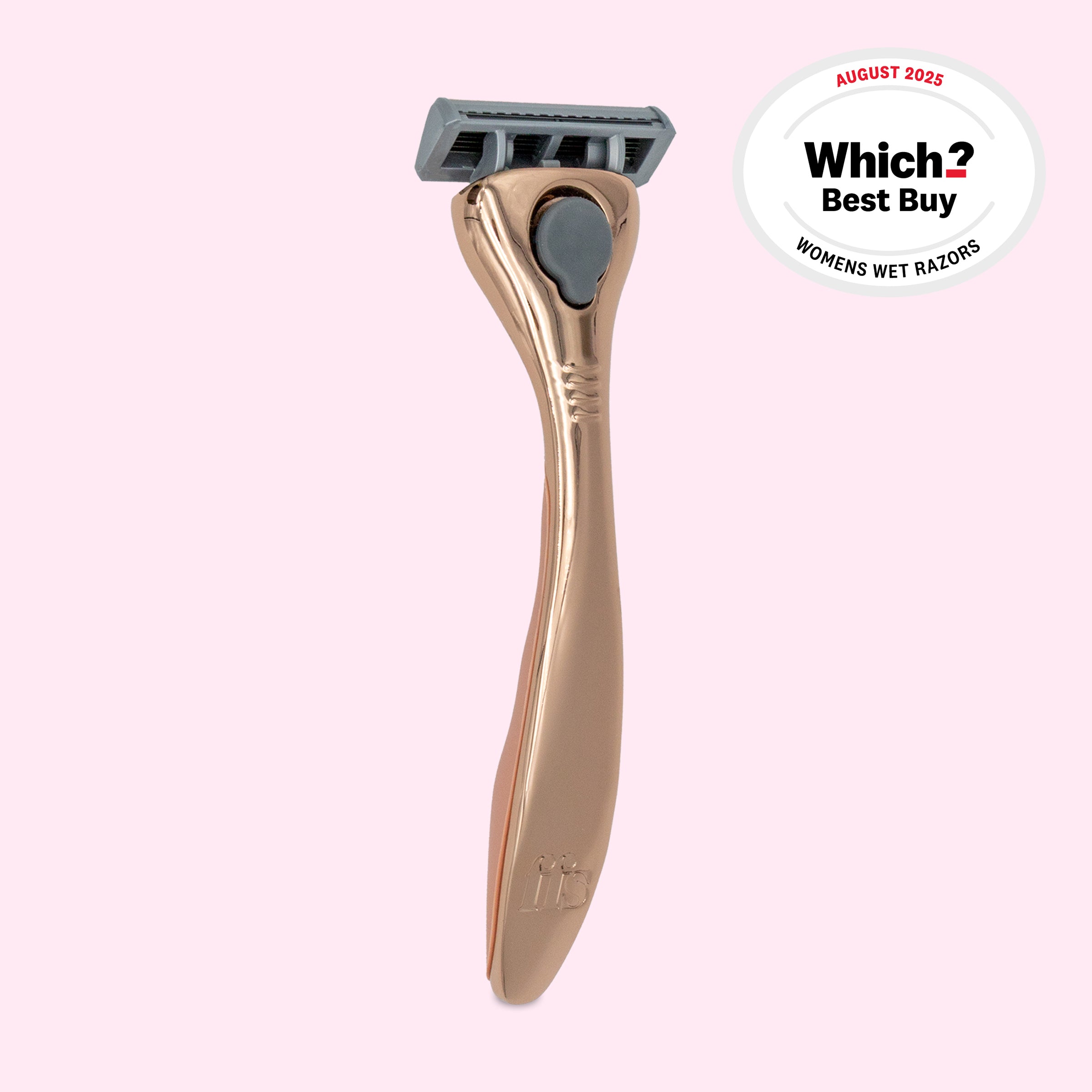
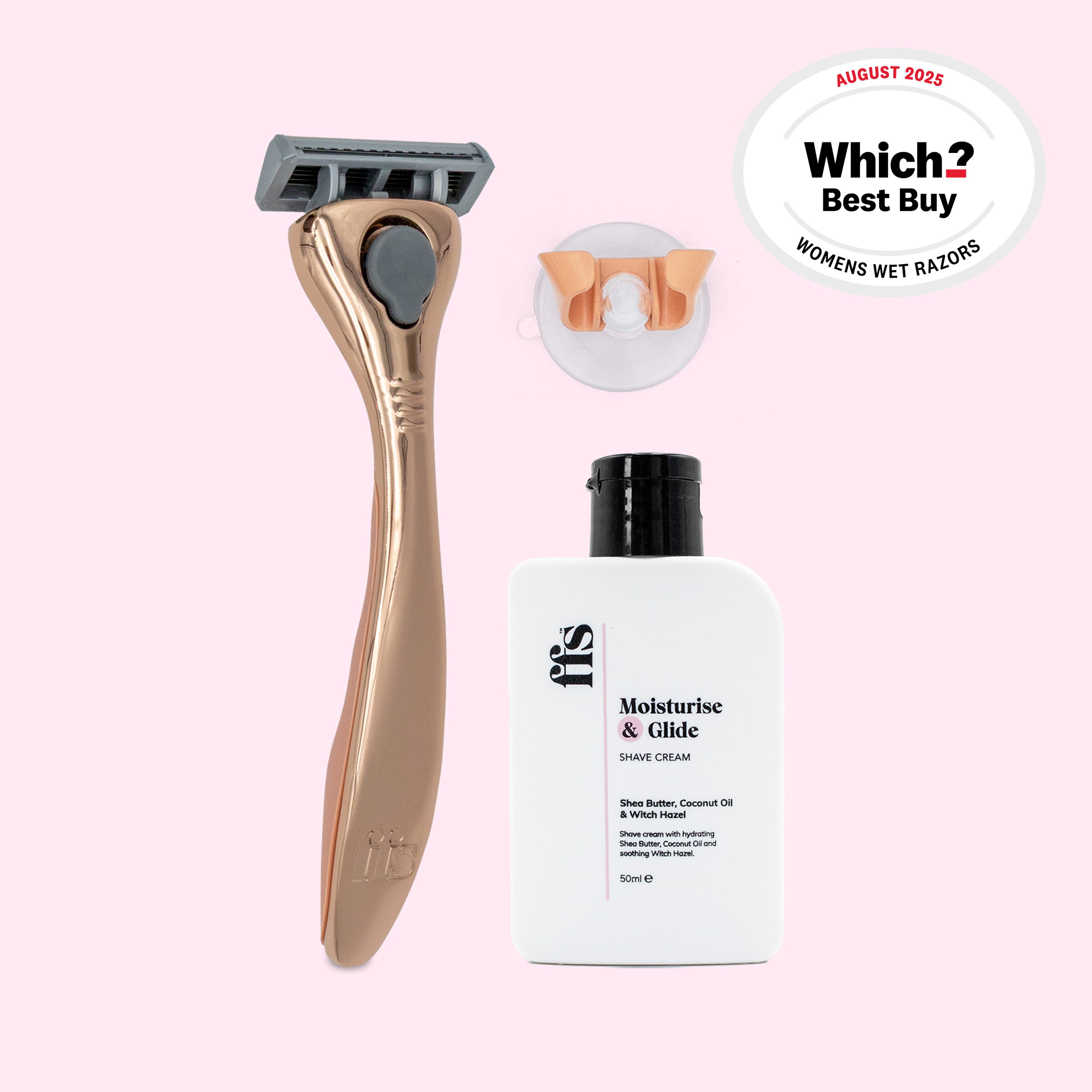
The FFS Razor Starter Kit is rated a Which? Best Buy for women's wet razors (August 2027). Built for women, designed to last, and part of a system that takes responsibility for the full lifecycle of the product.
Small Change, Real Impact
Sustainability does not have to mean completely overhauling your routine.
Returning your used blades takes a few minutes every couple of months. Choosing a reusable razor over disposables costs the same or less over time. These are small, practical changes that fit into a normal routine and make a genuine difference when enough people do them.
FAQs
Can razor blades go in the recycling bin? No. Razor blade cartridges are made from mixed materials including metal, plastic, and lubrication strips that are bonded together during manufacturing. Standard household recycling systems cannot separate these materials so they reject razor blades entirely. Putting them in your recycling bin means they contaminate other recyclable materials and the whole batch may be rejected.
What is the best way to dispose of razor blades safely? The safest and most responsible option is to use a dedicated blade return scheme. Place used blades back in their original casing to prevent cuts, collect a batch, and post them back. FFS handles the recycling from that point. Alternatively some specialist recycling facilities accept mixed-material small items but these are not widely available and you would need to check locally.
Are razor blades bad for the environment? When sent to landfill, which is what happens to the majority of used razor blades, they contribute to long-term waste. The metal and plastic materials take years to break down and represent recyclable resources being permanently lost. Disposable razors are significantly worse than cartridge systems because the entire product including the handle goes to landfill after just a few uses.
How do I safely store used razor blades at home? Place each used blade head back into its original plastic casing immediately after shaving. This keeps the sharp edges covered and prevents cuts when you are handling them later. Store them in a dry place until you have enough to send back. Never leave loose razor cartridges in a bag or drawer without their covers on.
Does FFS actually recycle the blades or just collect them? FFS processes the returned blades properly. They are collected until there is a sufficient batch, then ground down to separate the bonded metal and plastic materials. Once separated, all components are sent for proper recycling. The materials from your old blades genuinely get used again rather than going to landfill.
Are reusable razors actually better for the environment than disposables? Yes, significantly. A disposable razor sends the entire product including the plastic handle to landfill after just a handful of uses. A reusable system with replaceable heads means the handle lasts for years and only the blade head, a much smaller amount of material, needs replacing regularly. Combined with a blade return scheme that recycles those heads, the environmental impact is considerably lower than disposables over a lifetime of shaving.